Ginseng in Veterinary Practice: Benefits and Considerations

Evelyn Saba, Mansur Abdullah Sandhu, Arfan Yousaf, Usman Rashid & Man Hee Rhee
SUMMARY

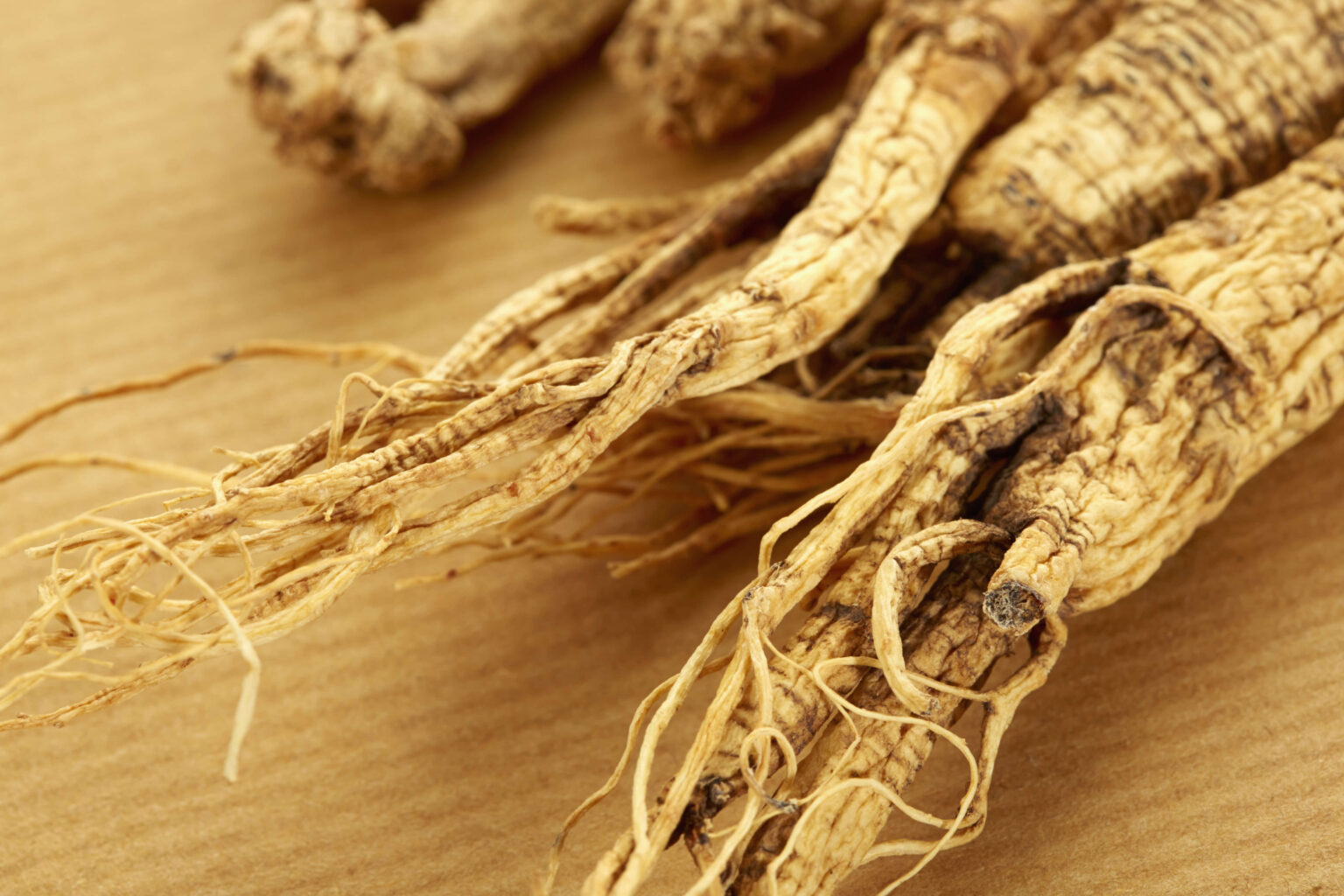
Plants have been used as medicine for all diseases since the inception of this universe. Plant based preparations and their active single components are widely used as prophylactic and therapeutic agents. The major advantage of plant-based remedies is their least to no side effects. Panax Ginseng is native plant of China, Japan, and Korean peninsula. It is widely used in various forms like tablets, syrups, capsules, jelly, tea and many more. All the parts of this plant are used in herbal medicine; however, the roots of this plant are more enriched in single, active compounds called ginsenosides. This plant is also called a panacea because it has been reported for its unique biological properties like anti-inflammatory, anti-cancerous, anti-microbial, anti-melanogenic, immune booster and many more. Many studies have revealed the beneficial effects of ginseng on laboratory animals for various disease models. Clinical trials on humans have also revealed cardio-protective and libido enhancing effects of ginseng. In animals, ginseng has been reported as immune boosting agent for various viral and bacterial diseases. Our chapter focuses on the diverse ap

INTRODUCTION

Ethnopharmacology is defined as the scientific study of plants, or any other material used in ethno-cultures as traditional/natural medicines (Patwardhan, 2005). Natural products are the source of common active ingredients used in allopathic medicine. In fact, before the development and evolution of the post-genomic era, more than 80% of chemical drugs were inspired or manufactured from natural compounds. Synthetic compounds with therapeutic potential made from natural/plant materials provide advances in the field of medicine. For example, the use of cinchona, morphine, and digitalis for the treatment of malaria, as well as the advent of aspirin, convinced people as early as the 17th century that flower sources could be used medicinally to treat different diseases (Mukherjee et al., 2010). Furthermore, many contemporary and modern medicines are derived from different plants and fungi, such as streptomycin (Streptomyces griseus), penicillin (Penicillium spp.), valerian (Valeriana spp.), and atropine [Atropa belladonna, deadly nightshade (Smith-Schalkwijk, 1999)]. Therefore, it can be said that ethnopharmacology provides a solid foundation and a way forward for the development of new, improved, and effective chemical drugs from plants. Plants have been utilized by humans and animals since the dawn of this world. They were and are mainly used as food sources by various animals including humans. Many treatments for various diseases depend on particular types of plants. Extensive modernization and civilization have made humans and animals susceptible to all kinds of novel diseases. There are modern allopathic medicines for these diseases and conditions, but their side effects should not be ignored. Therefore, in the past two decades, mankind has once again turned its attention to herbal remedies for various ailments. The same applies to

HABITAT

Fenugreek leaves originate from Eastern Europe and certain regions of Asia, including countries such as Turkey, Egypt, and India. While the seeds and leaves were traditionally used in these areas, fenugreek cultivation has expanded globally. It is widely

IMPACT OF GESTATIONAL MATERNAL UNDERNUTRITION ON FETAL DEVELOPMENT

“It is on the condition of the health of the mother that the condition of the health of the child depends”, Hippocrates stated. This is one of the very early reported references to the concept that placental life has an effect on adult life. But the full concept came into being as we know it in the 1930s, during this era substandard living conditions in infancy were linked to premature death, later. Further studies were carried out which linked these substandard living conditions in early life to several cardiac disorders later in life when the living conditions were better this gave a hint that development in early life and the environment was rather important for the well-being of the individual, in 1977 (Hanson, 2015).
Approximately one-half of the world’s total population is affected by maternal and child undernutrition (Ahmed et al., 2012). Maternal and child undernutrition causes 3·5 million deaths annually, 11% of worldwide disability-adjusted lifeyears (DALYs), and more than one-third of the disease burden in children (less than 5 years of age). Optimum and balanced maternal nutrition is indispensable for proper fetal development and growth (Barker & Clark 1997). Nutritional factors and proteins present in milk promote fetal growth in pregnant women (Borazjani et al., 2013). Ignorance, poverty, food insecurity, infectious diseases, lack of proper feeding practices for infants and young children, and poor sanitation and hygiene lead to the prevailing high levels of child and maternal undernutrition in developing nations. Maternal undernutrition is highly prevalent in the resource-poor countries of southeast Asia, sub-Saharan Africa, and south-central Asia. Its prevalence in South Asia ranges from 10 to 40% (Ahmed et al., 2012; Jouanne et al., 2021).
Pakistan being a developing country, about 12.5% population (28 million) faced undernourishment, in 2021 (FAO, 2021). In Pakistan, both lactating and pregnant women suffer from a higher prevalence of malnutrition (16.1%) than their non-pregnant peers (12.5%). It is understood that undernutrition reduces a nation’s economic progress by at least 8% resulting in poorer cognition, direct productivity losses, and reduced schooling. The enormity of children and maternal undernutrition in Pakistan is so much so that about one crore children in Pakistan face stunting, largely due to maternal undernutrition (UNICEF, 2022). To cope with this grave situation, in 2014, the World Bank committed 47.95 million US dollars to improve the nutritional status of lactating and pregnant women. A similar situation is prevalent for women and children in many developing countries (World Bank, 2014).

Maternal undernutrition has been proven to have a profound effect on fetal growth, with body weight and many key organs. It has been reported previously that during the first two weeks of pregnancy, the provision of a 5% protein diet only (undernutrition) led to a reduction in brain weight, size, and cortical thickness of the brain (Gressens et al., 1997). A severe gestational maternal protein restriction in rats caused a reduced number of glomeruli and hypertension in both male and female newborns, this hypertension is salt-sensitive and worsens with age, but is approximately equivalent in males and females (Woods et al., 2004)

Chronic energy deficit or maternal undernutrition means
having a body mass index (BMI) below 18.5. If the females are
under-nourished females at the time of conception, then during
pregnancy (when there are additional demands due to the
growing fetus), they are unlikely to improve their nutritional
status. They are more likely to fail to gain sufficient weight
during pregnancy and are at a higher risk of mortality than wellnourished and healthy women (Smith et al., 2003).

IUGR predisposes developing fetuses to reduced organ and
body weights. Most information about the long-term and short term effects of IUGR has come from animal models. In recent
years, many animal models of placental insufficiency and/or
poor maternal nutrition have been developed to investigate the
causes and effects of IUGR. Both maternal dietary
manipulations and surgical interventions have been employed
for these studies. A number of animal species have been studied
for IUGR effects, including rodents, rabbits sheep, and primates
(Louey et al., 2000; Mitchell et al., 2004; Jonker et al., 2018).
What to read next...