Kitchen Spices as Complementary and Alternative Medicine: Pharmacothera­peutic Potential and Challenges

Kashif Iqbal, Bilal Aslam, Tanzila Sahar, Muhammad Rehan Sajid, Ifraha Abbas, Hina Nawab, Shamshad Ul Hassan & Rida Asrar
SUMMARY

Complementary and alternative medicine (CAM) recognizes the health advantages of a variety of kitchen spices, including celery, lemongrass, cardamom, saffron, cloves, garlic, cumin, cinnamon, turmeric, ginger, fenugreek, and cloves. They endow them with humor. Garlic’s antimicrobial qualities are well-known for supporting heart health and thwarting illness. Because clove is an analgesic, anti-inflammatory, and nerve-healthy herb, it helps reduce pain. The antioxidant potential of Cumin can also aid in weight management and better digestion. Cinnamon which possesses anti-inflammatory and anti-diabetic qualities could support heart health and blood sugar regulation. Additionally, it treats a number of illnesses and eases joint discomfort. Ginger has anti-inflammatory and digestive properties which aid in the relief of constipation. Besides helping with blood sugar regulation, fenugreek is beneficial for nursing moms. Among the many health benefits of celery is its ability to lower inflammation and indigestion. Lemongrass is well known for its antibacterial properties, which can also reduce tension and aid with digestion. Cardamom can help with digestion and improve oral health. Saffron is widely recognized for enhancing mental health, elevating mood, and reducing symptoms of depression. These spices have many medical properties that enhance the therapeutic role of food in rituals. When combined with a balanced diet, they can provide a delicious and comprehensive way to preserve health and well-being. Before using it medicinally, you should speak with a doctor, especially if you have any specific health issues or plan to use it in conjunction with other prescriptions.

INTRODUCTION

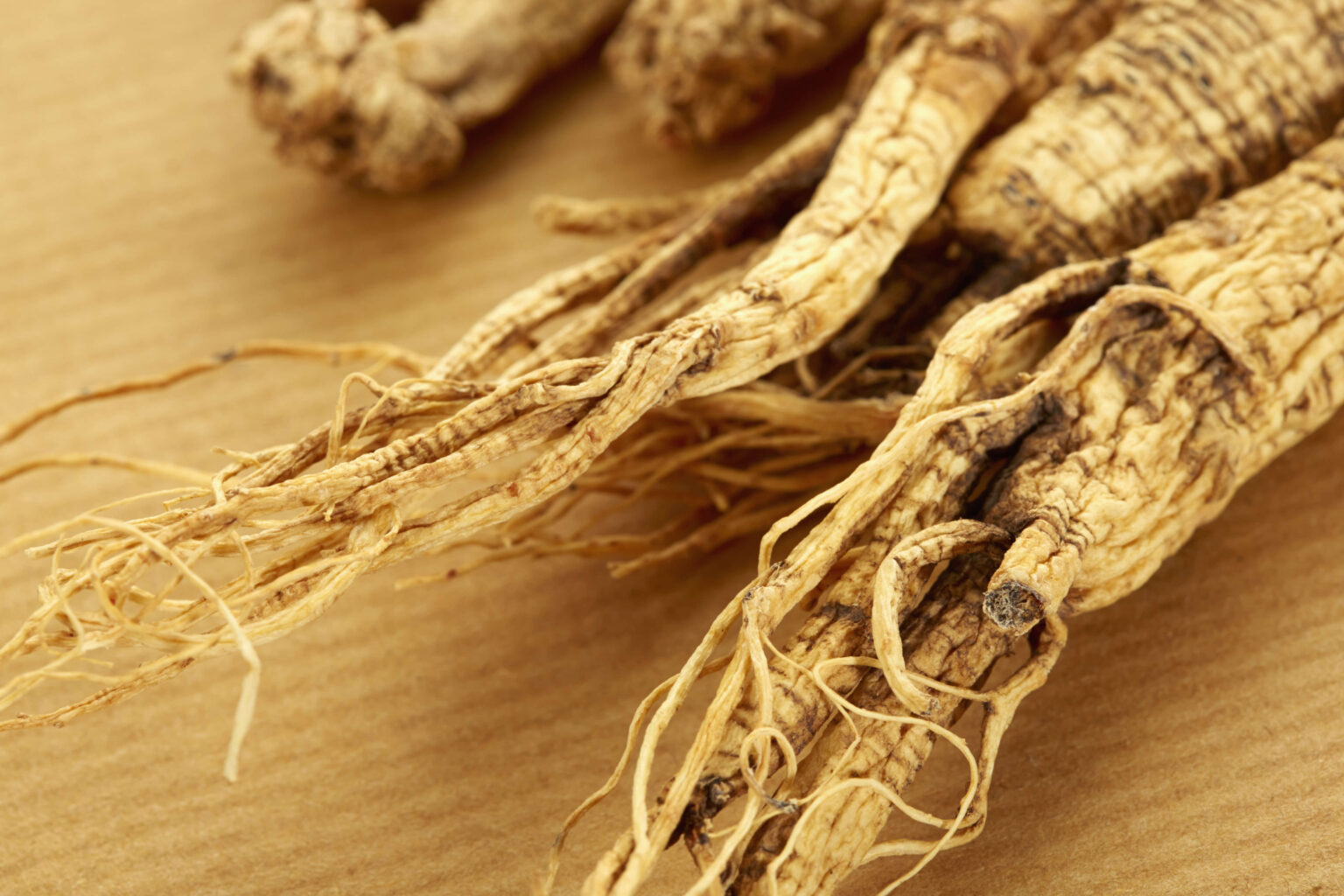
The herbs used to make the spices are derived from a variety of plant components, including leaves, buds, blossoms, seeds, tree bark, roots, and root systems, as well as glandular substances such as resins, gums, and volatile oils. Spices are a frequent food ingredient used to give food its distinctive flavor and color, to enhance the flavor, and in some cases, to serve as a preservative (Sofowora et al., 2013). Additionally, it has some therapeutic qualities that promote human wellness and can treat illnesses through the practice of traditional Indian medicine called Ayurveda. Civilizations such as India and Pakistan have long valued spices for their therapeutic qualities. Spices like turmeric, ginger, and clove are widely used in Ayurveda (Indian traditional medicine) and Unani (Pakistani traditional medicine), as their potential benefits for general health and well-being have long been understood. (Mohanty, 2017).

Compounds like. flavonoids, terpenoids, lignans, sulfides, polyphenolics, carotenoids, coumarins, saponins, plant sterols, and phthalides are present in the majority of regularly used Indian spices. Additionally, pharmacological studies have revealed that these compounds have anti-cancer, immunestimulating, anti-inflammatory, anti-microbial, and antioxidant properties. They also guard against heart conditions, conditions of the central nervous system, and other chronic illnesses. Due to their positive effects that are being documented daily against many diseases, spices are receiving more attention in the present period (Ogbunugafor et al., 2017). India is known around the world for its spices and traditional medicines, which have a variety of physiological and pharmacological qualities.

The World Health Organization

This chapter has been written to give a good insight into the global incidence of maternal and child undernutrition, maternal under-nutritional effects on fetal development and CVD incidence, the link between CVDs and IMT, association of Intrauterine Growth Restriction (IUGR) and CVDs, during pregnancy and optimal nutritional provisions during pregnancy to avoid adverse effects of maternal undernutrition for improvement of overall health and wellbeing.

IMPACT OF GESTATIONAL MATERNAL UNDERNUTRITION ON FETAL DEVELOPMENT

“It is on the condition of the health of the mother that the condition of the health of the child depends”, Hippocrates stated. This is one of the very early reported references to the concept that placental life has an effect on adult life. But the full concept came into being as we know it in the 1930s, during this era substandard living conditions in infancy were linked to premature death, later. Further studies were carried out which linked these substandard living conditions in early life to several cardiac disorders later in life when the living conditions were better this gave a hint that development in early life and the environment was rather important for the well-being of the individual, in 1977 (Hanson, 2015).
Approximately one-half of the world’s total population is affected by maternal and child undernutrition (Ahmed et al., 2012). Maternal and child undernutrition causes 3·5 million deaths annually, 11% of worldwide disability-adjusted lifeyears (DALYs), and more than one-third of the disease burden in children (less than 5 years of age). Optimum and balanced maternal nutrition is indispensable for proper fetal development and growth (Barker & Clark 1997). Nutritional factors and proteins present in milk promote fetal growth in pregnant women (Borazjani et al., 2013). Ignorance, poverty, food insecurity, infectious diseases, lack of proper feeding practices for infants and young children, and poor sanitation and hygiene lead to the prevailing high levels of child and maternal undernutrition in developing nations. Maternal undernutrition is highly prevalent in the resource-poor countries of southeast Asia, sub-Saharan Africa, and south-central Asia. Its prevalence in South Asia ranges from 10 to 40% (Ahmed et al., 2012; Jouanne et al., 2021).
Pakistan being a developing country, about 12.5% population (28 million) faced undernourishment, in 2021 (FAO, 2021). In Pakistan, both lactating and pregnant women suffer from a higher prevalence of malnutrition (16.1%) than their non-pregnant peers (12.5%). It is understood that undernutrition reduces a nation’s economic progress by at least 8% resulting in poorer cognition, direct productivity losses, and reduced schooling. The enormity of children and maternal undernutrition in Pakistan is so much so that about one crore children in Pakistan face stunting, largely due to maternal undernutrition (UNICEF, 2022). To cope with this grave situation, in 2014, the World Bank committed 47.95 million US dollars to improve the nutritional status of lactating and pregnant women. A similar situation is prevalent for women and children in many developing countries (World Bank, 2014).

Maternal undernutrition has been proven to have a profound effect on fetal growth, with body weight and many key organs. It has been reported previously that during the first two weeks of pregnancy, the provision of a 5% protein diet only (undernutrition) led to a reduction in brain weight, size, and cortical thickness of the brain (Gressens et al., 1997). A severe gestational maternal protein restriction in rats caused a reduced number of glomeruli and hypertension in both male and female newborns, this hypertension is salt-sensitive and worsens with age, but is approximately equivalent in males and females (Woods et al., 2004)

Chronic energy deficit or maternal undernutrition means
having a body mass index (BMI) below 18.5. If the females are
under-nourished females at the time of conception, then during
pregnancy (when there are additional demands due to the
growing fetus), they are unlikely to improve their nutritional
status. They are more likely to fail to gain sufficient weight
during pregnancy and are at a higher risk of mortality than wellnourished and healthy women (Smith et al., 2003).

IUGR predisposes developing fetuses to reduced organ and
body weights. Most information about the long-term and short term effects of IUGR has come from animal models. In recent
years, many animal models of placental insufficiency and/or
poor maternal nutrition have been developed to investigate the
causes and effects of IUGR. Both maternal dietary
manipulations and surgical interventions have been employed
for these studies. A number of animal species have been studied
for IUGR effects, including rodents, rabbits sheep, and primates
(Louey et al., 2000; Mitchell et al., 2004; Jonker et al., 2018).
What to read next...